

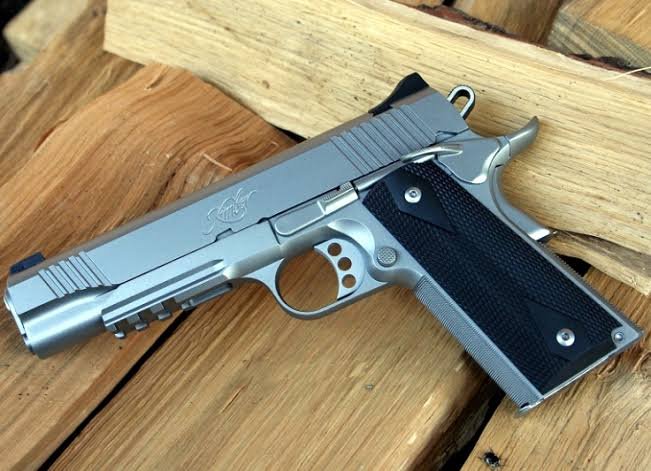

Colt Defender 45ACP Upgrades: Sights, Grips & Holsters
Posted by Point Blank Armory on Nov 23rd 2026

If you own or are considering a Colt Defender 45ACP, you have a compact, carry-ready 1911 that many shooters like to personalize. This guide covers Colt Defender 45ACP upgrades in plain terms: what the pistol already includes, which add-ons are straightforward to install, and which jobs should go to a qualified gunsmith. The goal is to help you customize without guessing at compatibility or legal limits.
What the Colt Defender 45ACP Already Includes
The Colt Defender is a 45 ACP single-action semi-automatic pistol with a 3-inch barrel and a 7+1 capacity. It has a lightweight aluminum frame and a blued carbon steel slide. Factory features include a Novak front sight, tactile half-checkered G10 grips, and an upswept beavertail grip safety, which many shooters find comfortable during recoil.
Knowing the factory setup matters before you spend money on parts. Several of the most useful upgrades are already partly addressed, and the rest need to match this specific frame and slide. Confirm the exact model, finish and configuration before you order anything, since Colt offers several Defender variants.
Colt Defender 45ACP Upgrades That Are Simple Bolt-Ons
Most owners start with changes that don't alter the pistol's internal function. These typically include:
- Replacement grip panels or grip accessories
- Sight changes, where the dovetail and sight style are compatible
- Holsters and carry accessories
- Magazines and magazine accessories rated for the pistol
- Lights and other accessories that attach without modifying the frame
"Simple" does not mean "no thinking required." Even bolt-on parts should match your model, and you should follow the manufacturer's installation instructions. If anything feels forced or doesn't seat correctly, stop and get help rather than filing or prying at it.
Sights and Optics: Check Compatibility First
The Defender already includes a Novak front sight, so most sight upgrades focus on the rear sight or on changing the sight picture for your eyes and lighting. Rear sights on 1911-pattern pistols are usually dovetailed into the slide, and the dovetail width and angle have to match. A sight that fits one slide may not fit another, even when both are called 1911s.
Night sights and high-visibility options can help with low-light shooting, but check the sight height and the slide cut before buying. Some sights sit higher than factory and can change your point of impact. After any sight change, verify zero at a safe range and shoot a few groups to confirm the pistol still hits where you're aiming.
Optics are a different conversation. Mounting a red dot on a 1911 usually requires a slide cut and a mounting plate, which is gunsmith work. If you're considering an optic, talk to a professional about whether your slide is suitable before you buy.
Grips and Grip Accessories for Better Control
The G10 grips on the Defender already offer a textured, secure surface. Many owners stick with them, but grip changes are one of the most common ways to adjust fit and control. Grip panels for a compact 1911 must match the frame's grip safety area, magazine release and mainspring housing, so buy grips listed for your model rather than for a full-size 1911.
Grip accessories such as grip tape or a textured sleeve can improve hold without changing the frame. Whatever you choose, make sure nothing blocks the magazine release, the grip safety or the slide release. Test the grip with an unloaded pistol and dry-fire only with a safe backstop and proper safety practices.
Holsters for Concealed Carry
A holster is often the most important accessory you'll buy. For a compact 1911 with a 3-inch barrel, look for a holster made for your exact model, with secure retention and a sturdy mouth that keeps the trigger guard covered. Inside-the-waistband and appendix designs are popular, but comfort and repeatable draw are what matter most. Holsters made for a full-size 1911 often sit loose on a compact frame.
Whatever holster you choose, practice drawing and reholstering with an unloaded pistol and inert training items until the motion is smooth. Never point the muzzle at anything you aren't prepared to destroy, and keep your finger off the trigger until you're on target. If you're new to carry, a professional class can help you build these habits safely.
Magazines and Capacity: Know Your State's Rules
The Defender ships with a 7+1 capacity, and magazine choices are a key part of any upgrade plan. The ProMag Colt Defender magazine in blued steel, holding 7 rounds, is made for this platform. Stick with magazines made for your specific pistol and caliber, and inspect them for damage or feed problems before relying on them.
Magazine capacity limits vary a great deal from state to state. Some states restrict magazine capacity, and the rules can change. Laws vary by state, and it's your responsibility to verify current local law before you buy or carry. The product listing for this model also notes state restrictions in California, Massachusetts and Washington, DC. New York, including Long Island, has its own rules on firearms and magazines, so check the current requirements with official state sources or a qualified attorney.
Be cautious with add-on accessories that claim to change magazine capacity. Anything that alters the magazine's design or limits could affect legal compliance, so consult local law first.
Lights and Other Accessories
A weapon light can help you identify targets and confirm your surroundings in low light. For a compact 1911, a light must fit the frame rail or a compatible mount without interfering with the slide, the trigger or the grip. Many shooters find that a compact light is a poor fit on a short-grip pistol, so try a sample before committing. Also remember that a light is only useful if you practice using it, and that it adds weight and bulk to a carry setup.
Other accessories, such as lanyards, cleaning kits, and quality range bags, are simple and useful. Keep storage and transport in mind, and check the store policies page for information about how firearm and accessory orders are handled.
Upgrades to Leave to a Gunsmith
Some work changes how the pistol functions, and it should be done by a qualified gunsmith. This includes:
- Trigger work, including changes to the sear or hammer engagement
- Slide-to-frame fitting and barrel fitting
- Recoil spring and guide rod changes beyond simple replacement
- Grip safety, thumb safety or beavertail modifications
- Slide cuts for optics and dovetail work for sights
- Any modification to the frame, including material removal
A gunsmith can also check that your pistol's safeties, extractor and feed system work properly after changes. Never attempt modifications that you don't fully understand. Work that affects reliability or safety should be done properly, and any gunsmithing that changes the firearm may have legal implications, so verify local rules first.
Training, Storage and Staying Compliant
Upgrades are only as good as the shooter using them. Regular practice with a holster, a sight change or a light builds real skill. Consider a professional class to sharpen your fundamentals and your safety habits. Our training classes cover safe handling, ownership basics and practical shooting for new and experienced owners alike.
Store your Defender unloaded and locked when not in use, away from children and anyone who isn't legally permitted to access it. Keep ammunition stored separately. When transporting, follow your state's rules, and verify current requirements before you travel.
If you're buying a firearm or a part that must be shipped to a licensed dealer, a background check may be required. Our transfers page explains how that process works. Before choosing a Defender configuration, you can compare options like the Colt Defender 45ACP SS/WD 3" 7+1 alongside the model you already own.
Final Thoughts on Upgrading Your Defender
The Colt Defender 45ACP is a capable compact 1911 that already comes with useful features, including a Novak front sight, G10 grips and a beavertail grip safety. Focus your first upgrades on fit, comfort and a good holster, then move to sights or accessories once you know what works for you. Leave trigger, fitting and frame work to a gunsmith, and always verify compatibility and local law before you buy.
FAQ
Is the Colt Defender 45ACP compatible with 1911 grips made for full-size pistols?
Not always. Grips must match the compact frame's dimensions, including the grip safety and magazine release area. Choose grips listed for the Defender or for compact 1911 frames, and check fit before carrying.
Can I install a red dot optic on a Colt Defender myself?
Most red dot mounting on a 1911 requires a slide cut and a mounting plate, which is gunsmith work. Have a qualified professional confirm whether your slide is suitable before you buy any optic.
Do I need a special holster for a 3-inch 1911?
Yes, it's best to use a holster made for your exact model. A holster built for a full-size 1911 may not hold a compact frame securely. Look for good retention, a covered trigger guard and a fit that you can practice with safely.
Will a 7-round magazine be legal where I live?
Magazine laws vary by state and can change. New York and other states have their own rules, so verify current local law with official sources before buying or carrying any magazine.
Have questions about compatibility, upgrades or local rules? Browse our selection, or contact Point Blank Armory on Long Island. Our counter staff can help you match parts to your exact pistol and point you toward the right resources, so you can customize your Defender with confidence.
Shop Related Gear at Point Blank Armory
- CLT DEFENDER 45ACP 3 TWO-TONE
- ProMag Colt Defender Magazine .45 ACP Blued Steel 7/rd
- COLT DEFENDER 45ACP SS/WD 3" 7+1
- Fiocchi 12TX8 Exacta Target Little Rino 12Gauge 2.75" 1oz 8Shot 25 Per Box/10 Case
- Wilson Combat 500SFK8 Spring/Follower Kit for Wilson Combat Elite Tactical 45 ACP Magazines with ETM or Lo-Profile Base Pad
- SEECAMP LWS-95 25 ACP MAGAZINE LWS-95
Always follow the four rules of firearm safety, store firearms securely, and check your current state and local laws before buying, carrying or transporting firearms. This article is general information, not legal advice.